.jpg)
What Is Heart Failure?
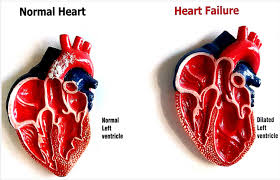
Heart failure refers to the reduced pumping capacity of the heart. The normal heart pumps around 60% of the blood it receives during each contraction. This is measured by an echocardiogram and is referred to as the ejection fraction (EF).
This normal EF of 60% is reduced in heart failure and is sometimes as low as 30%. When the pumping capacity of the heart reduces, symptoms appear. This could manifest as breathlessness while walking, swelling in the legs, fatigue, or reduced urine output.
What Causes Heart Failure?
Some of the common causes of heart failure are:
- Reduced blood supply (Ischemic Cardiomyopathy): When a portion of the heart is deprived of blood supply — acutely (as in a heart attack) or slowly due to progressing blockages — the heart muscle weakens and its pumping capacity reduces. Most often, if blood supply is restored by angioplasty or bypass surgery, the heart may regain some pumping capacity.
- Non-ischemic Cardiomyopathy: Some inherent problem in the heart muscle structure makes it weak despite normal blood supply. Causes may be genetic or metabolic. One important cause is an electrical delay caused by a left bundle branch block (LBBB) on the ECG — correcting this with CRT can result in very good recovery of pumping capacity.
.jpg)
What Is CRT?
CRT (Cardiac Resynchronization Therapy) is a device similar to a pacemaker, implanted in patients with heart failure and electrical delay on the ECG — typically LBBB (Left Bundle Branch Block).
It works by improving the electrical synchrony in the pumping chambers of the heart. In properly selected patients, CRT improves the pumping capacity of the heart, thereby relieving many symptoms related to heart failure.
Patients will still need to continue their medications after CRT; however, they can expect a better quality of life due to improved cardiac function. Rarely, the pumping capacity almost normalises and the doctor may then consider reducing the medicines required.
Will All Patients With Heart Failure Benefit From CRT?
No. Only patients with heart failure, reduced ejection fraction, and left bundle branch block (LBBB) on the ECG tend to benefit from CRT. Patients with narrow QRS on the ECG or post heart attack patients generally do not benefit.
It is important to understand that in the patient population in whom CRT is likely to be beneficial, it is better to consider the procedure early in the course of heart failure — even if symptoms are not very troublesome. In these patients of LBBB and heart failure, CRT when used early can sometimes (not always) reverse the heart failure entirely. In later stages, although still helpful, CRT might not have the same degree of benefit.
Key Criteria for CRT:
- Heart failure with reduced ejection fraction (<35%)
- Left Bundle Branch Block (LBBB) on ECG
- QRS duration >130 ms
- Symptoms despite optimal medical therapy
Procedure Highlights
- Similar to standard pacemaker implantation
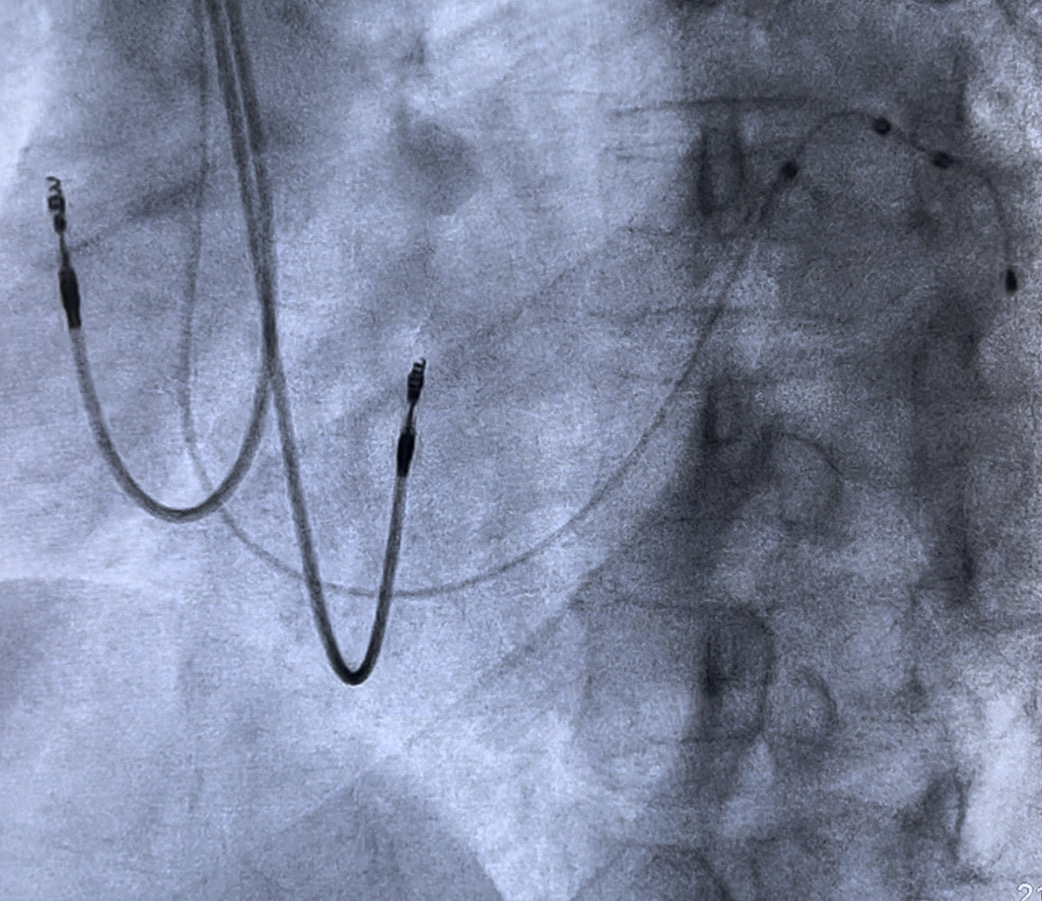
- Three leads inserted instead of two
- One lead enters the left heart via the coronary sinus
- Favourable anatomy = straightforward procedure
- Success rate >90% of cases
- Complication rate remains low, similar to pacemaker
CRT Implant Procedure
Implanting the CRT is similar to pacemaker insertion and the two procedures share many common risks and considerations. CRT, however, is a longer and more challenging procedure as three leads have to be inserted inside the heart instead of two as in a routine pacemaker.
One of the leads enters the left side of the heart via a small vein called the coronary sinus. The anatomy of the coronary sinus and its branches is often the rate-limiting step in a CRT implant. A favourable anatomy will result in a very easy procedure, while an unfavourable anatomy will result in a longer, more complex one.
Generally, in >90% of cases, a successful CRT implant can be achieved. Like pacemaker implantation, the complication rate remains low.
Have Questions About CRT or Heart Failure?
Dr. Maneesh Rai is a Cardiac Electrophysiologist specialising in pacemaker and CRT device implantations in Mangalore.
Book Appointment Online